
Why You're Wrong About the Datacenter Debate
The data-center debate has been flattened into two bad stories: fake farmer nostalgia for one side, frictionless AI infrastructure for the other. Both miss the harder question. A good data-center deal depends on who pays for power, water, land, permits, emissions, schools, and long-term public infrastructure after the cranes leave.
The Infrastructure That Makes Orbital Compute Inevitable
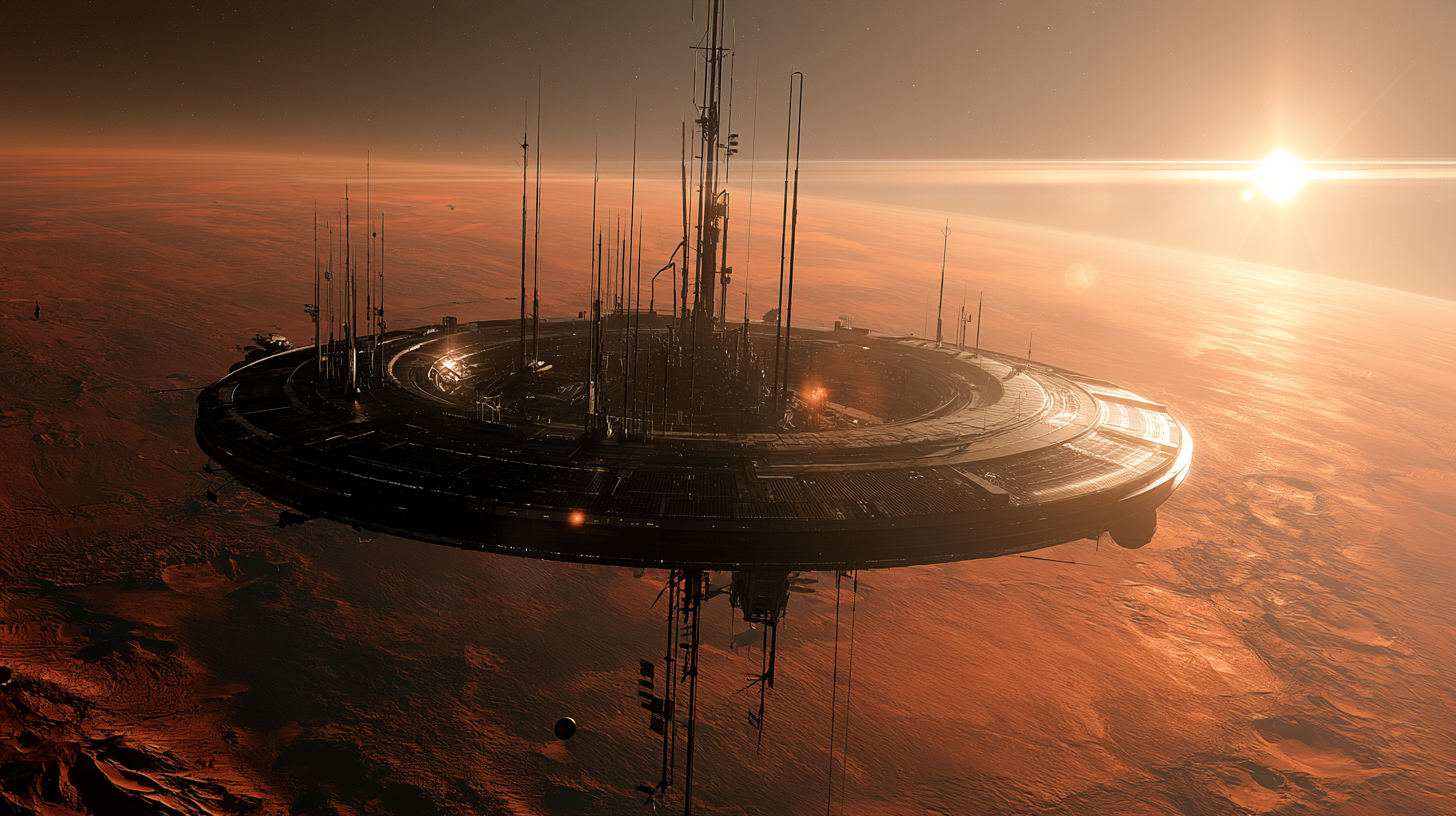
This second essay in the orbital-compute series asks what has to exist before the idea becomes infrastructure. The answer is not a bigger server rack in orbit. It is a maintained industrial regime: platforms that can be serviced, shells that can be governed, debris that can be removed, hardware that can be retired responsibly, and networks that let rovers, habitats, relays, and off-world machines keep working when Earth is delayed or unavailable.
Orbital Compute After the Hype
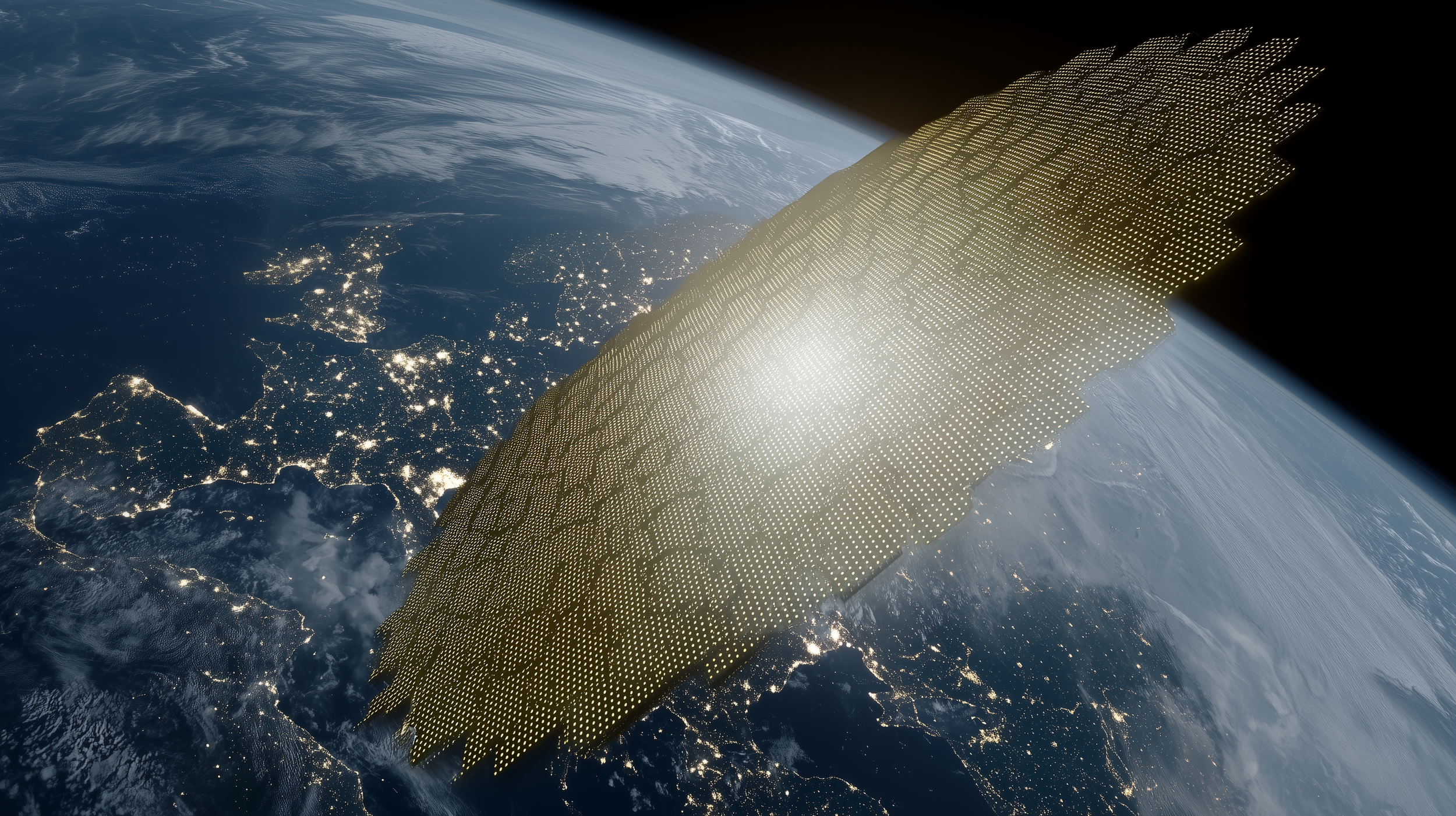
Orbital compute is no longer just a speculative idea. It now appears in filings, agency studies, and prototype programs. Some use cases already make sense, especially when data is created in space and bandwidth to Earth is limited. But the broader vision of moving cloud or AI infrastructure into orbit still runs into stubborn constraints in power, heat rejection, launch, replacement, and debris.

Energy, Work, and the Case for Judging AI Infrastructure
Most debates about AI infrastructure start with the wrong metric. Energy and water use describe scale, but they do not tell us what the system produces, what it replaces, or whether the trade is worth it. The harder standard looks at output per unit of energy, how that output is measured, and whether the burden is governed or displaced.